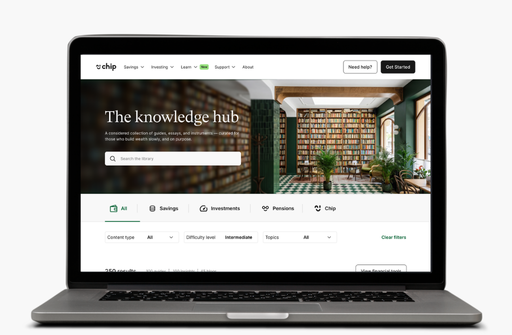
The knowledge hub

A considered collection of guides, essays, and instruments — curated for those who build wealth slowly, and on purpose.

0
results
Filter results
Filter by:
Content type
Difficulty level
Topics
0
results
View financial tools
Biggest companies in the world by market cap
2 min read
Beginner
Global cap giants

What are the biggest companies in the world by market cap?

This list ranks the world’s biggest companies by market capitalisation, the cumulative value of a company's total outstanding market shares. We’ll also be highlighting other key figures, such as the company's revenue, gross profit, and 1-year return (all based on the previous fiscal year). 

Some other key facts such as the exchange the company is listed on, the founding year and country the company is headquartered in are also covered. 

‍

1. NVIDIA Corp.

  • Market cap: $4.39 trillion
  • Revenue: $148.51 billion
  • Gross profit: $104.12 billion
  • 1-yr return: +42.87%
  • Exchange: Nasdaq
  • Year founded: 1993‍
  • Country: United States

NVIDIA designs powerful chip solutions supplying various innovative industries:

  • AI and datacentres: GPUs that companies like Microsoft and Google use to build AI services. 
  • Gaming: ‘GeForce’ graphics cards that power high-quality video games on PCs. 
  • Professional & Automotive: Chips for film special effects, car infotainment systems, and self-driving technology.

‍

2. Microsoft Corp.

  • Market cap: $3.75 trillion
  • Revenue: $281.72 billion
  • Gross profit: $193.89 billion
  • 1-yr return: +20.93%
  • Exchange: Nasdaq
  • Year founded: 1975‍
  • Country: United States

Microsoft’s software offers a range of services to businesses and consumers:

  • Cloud computing: Supply computer power and storage to businesses using their Azure software. 
  • Software: The Windows operating system and Office suite (Word, Excel, Powerpoint) powers PCs and productivity for businesses and consumers.
  • Gaming: Own Xbox and major gaming franchises like Call of Duty.
  • Other: Invest in AI with their OpenAI partnership and own professional social network LinkedIn.

‍

3. Apple Inc.

  • Market cap: $3.37 trillion
  • Revenue: $408.63 billion
  • Gross profit: $190.74 billion
  • 1-yr return: +0.67%
  • Exchange: Nasdaq
  • Year founded: 1976‍
  • Country: United States

Apple are a global giant in consumer electronics and digital services:

  • Consumer electronics: iPhone, Mac computers, iPads, the Apple Watch, and AirPods.
  • Services: App Store, Apple Music, iCloud storage, and Apple TV+.

‍

4. Alphabet Inc. (Google)

  • Market cap: $2.53 trillion
  • Revenue: $371.21 billion
  • Gross profit: $218.73 billion
  • 1-yr return: +25.58%
  • Exchange: Nasdaq
  • Year founded: 2015‍
  • Country: United States

Most of Alphabets revenue comes from advertising on its Google Search and Youtube platforms:

  • Google Search & Ads: Core revenue stream comes from selling ads on their search engine and network of other websites. 
  • Android: Operating system with widespread applications in mobile devices.
  • Youtube: World’s largest online video platform, generating revenue from advertising on videos. 
  • Google Cloud: Cloud computing business that competes with Microsoft and Amazon.
  • Other bets: Series of investments in future facing projects (Access, Calico, CapitalG, GV, Verily, Waymo, and X)

‍

5. Amazon.com Inc. 

  • Market cap: $2.43 trillion
  • Revenue: $670.04 billion
  • Gross profit: $332.38 billion
  • 1-yr return: +28.53%
  • Exchange: Nasdaq
  • Year founded: 1994‍
  • Country: United States

Amazon’s two main revenue streams are its world leading online store and cloud computing services:

  • E-Commerce: Amazon generates profit from selling its own products and charging commission to sellers on their platform. They also make money from advertising on the site and their Amazon Prime subscription services. 
  • Amazon Web Services (AWS): Largest revenue source for Amazon comes from its market leading cloud computing services — clients include Netflix and NASA.  

‍

6. Meta Platforms Inc. 

  • Market cap: $1.89 trillion
  • Revenue: $178.8 billion
  • Gross profit: $146.53 billion
  • 1-yr return: +40.30%
  • Exchange: Nasdaq
  • Year founded: 2004‍
  • Country: United States

The social media giant that owns Facebook, Instagram, Messenger, and WhatsApp — nearly all of its revenue comes from the highly targeted advertising that reaches its user base.

  • Targeted ads: Driven by data collected from their users base that allows advertisers to target different user groups.
  • The Metaverse: Investing billions of dollars developing virtual and augmented reality hardware and software. 

‍

7. Saudi Arabian Oil Co.

  • Market cap: $1.53 trillion
  • Revenue: $460.55 billion
  • Gross profit: $217.87 billion
  • 1-yr return: –14.29%
  • Exchange: Saudi Exchange
  • Year founded: 1933‍
  • Country: Saudi Arabia

State-owned energy giant that is one of the largest and most profitable oil producers in the world:

  • Exploration and extraction: Identifying, drilling and pumping sources of crude oil and natural gas, benefitting from having some of the lowest production costs in the world. 
  • Refinement and distribution: Refining crude oil into products like petrol, diesel, and chemicals, which are then sold globally.

‍

8. Broadcom Inc. 

  • Market cap: $1.38 trillion
  • Revenue: $57.03 billion
  • Gross profit: $35.21 billion
  • 1-yr return: +78.29%
  • Exchange: Nasdaq
  • Year founded: 1961‍
  • Country: United States

Technology company designing chips for networking and smartphones, and sells essential software to large corporations. 

  • Semiconductors (Chips): They design and sell a wide range of chips essential for Wi-Fi and Bluetooth in smartphones (key supplier for Apple), as well as networking equipment in data centers. 
  • Cloud services: Large software companies (like VMware) that supply big businesses with IT and cloud computing infrastructure on a subscription basis. 

‍

9. Tesla Inc.

  • Market cap: $1.12 trillion
  • Revenue: $92.72 billion
  • Gross profit: $16.21 billion
  • 1-yr return: –11.15%
  • Exchange: Nasdaq
  • Year founded: 2003‍
  • Country: United States

Tesla is the world’s leading manufacturer of electric vehicles, with further focus on energy and artificial intelligence.

  • Electric cars: Main source of revenue and profit comes from their line of EVs like the Model Y, Model 3, Model X and Cybertruck. 
  • Energy generation & storage: Renewable energy for consumers and businesses from solar panels and batteries — the Powerwall for homes and Megapack for utility companies. 
  • Future goals: A large portion of Tesla’s valuation is based on future plans for technology like full self-driving technology and developing humanoid robots. 

‍

10. Berkshire Hathaway Inc.

  • Market cap: $1.05 trillion
  • Revenue: $370.15 billion
  • Gross profit: $89.41 billion
  • 1-yr return: +8.04%
  • Exchange: New York Stock Exchange
  • Year founded: 1893‍
  • Country: United States

A huge holdings company that owns and invests in a diverse network of businesses.

  • Owns companies: Key examples include GEICO (car insurance), BNSF (major American railway) and Duracell (batteries). The profits of all these companies flow into Berkshire. 
  • Invests in stocks: They own a huge stock portfolio with large holdings in Apple, American Express, Bank of America and the Coca-Cola Company.
  • The Model: They use cash from their businesses profits and stock growth to buy more businesses and stock, creating a powerful cycle of long-term growth. 

‍

What are the biggest companies by total annual revenue?

  • Walmart: $680.00 billion
  • Amazon: $637.96 billion
  • Saudi Arabian Oil Co.: $479.17 billion
  • UnitedHealth Group: $400.28 billion
  • Apple: $391.04 billion

‍

What are the biggest companies by workforce?

  • Walmart: 2.1 million
  • Amazon.com: 1.56 million
  • BYD: 968,870
  • Accenture: 774,000
  • Volkswagen: 679,470

‍

Summary

Understanding a company's performance is crucial; it's how you truly know what you own. These metrics directly drive the value of your stocks and funds. When you understand these key drivers, you can navigate market changes with confidence, rather than just reacting to headlines.

Next we’ll be looking at the biggest companies in the United Kingdom by market cap. 

All market data sourced from TradingView as of 26.08.2025.

Claude thinks I’m an investment dunce

2 min read


I’m convinced I have friends whose birthdays pop up way more often than once a year. Each time, I worry I’ve screwed up in my Google Calendar. To call or not? Get it wrong and they’ll know I haven’t a clue when the real date is.  

But, like losing my car in a multistorey parking lot, the “annual” FT Weekend Festival in London is on another level. It seems as if I’m in the Money tent every few months. Indeed, I began my presentation last weekend with the words “As I was saying…”  

Time flies by as you get old. And then along comes artificial intelligence to make analysts of my generation feel prehistoric. I spent millions of hours building valuation models. AI can do them in minutes.  

This is why my editor Nathan reckoned that it would be amusing to pit my aged investment brain against Claude live on stage this year. “Can an AI chatbot make a better portfolio than you?” was the title of our session, by which he meant me.  

Regular readers may remember that I asked ChatGPT to construct an optimal portfolio for me in February. Back then, though, I held nothing but cash in my pension fund. It was a blank slate for AI to work on.  

It was also before the war in Iran, the subsequent sell-off in equities and the sharp rebound soon after. SpaceX had not begun trading on 95 times revenues — revenues! — either. Bond yields weren’t yet wobbling knees.  

To recap, I told ChatGPT about my goal of reaching a million pounds by 2032. It recommended a portfolio comprising 35 per cent in developed equities, 10 per cent in emerging market stocks, 20 per cent in bonds, half that in private equity and a quarter in alternatives.  

I was impressed. Not only with the fact that OpenAI’s chatterbot had read every academic paper ever written on portfolio construction, but that it knew when to overcomplicate things and — more importantly — when not to.  

How would Claude fare by comparison? And what would it make of my current holdings now that I am up to my gullet in equity funds again? First, though, I had to pay for and learn how to use Claude.  

The FT’s resident expert, Tom Ursell, came to the rescue and ultimately joined Nathan and me on stage at the festival too (watch a replay here). He also showed me under Claude’s hood where you can insert things called “skills”.  

A skill is a reusable bundle of instructions that teaches Claude how to perform a specific task. So, for starters, we made sure that its answers were turned into slides that could be seen from the back of a tent.  

More importantly, though, Tom included the following: “Build a model investment portfolio using traditional fund and portfolio management theory (investment policy statements, capital market assumptions, modern portfolio theory/mean-variance optimisation, strategic asset allocation, diversification, rebalancing rules).”  

I couldn’t have said it better myself — and I encourage readers who are keen to use Claude (or other AIs with similar functions) to copy and paste the skill above before asking their own investment questions.  

So what did it think of my portfolio? Claude wasn’t impressed — by which I mean its suggested weightings across various asset classes were very different from my own. It was quite patronising, too. “Here are the trades I’d recommend in plain English,” it said more than once.  

It reckons I should have 63 per cent in equities versus the 82 per cent I have today. It would chop my 30 per cent exposure to the UK (which it witheringly called a “single-country bet wearing a diversification costume”) down to 10 per cent and halve the fifth of my portfolio in Asia — likewise Japan, which my Asia fund excludes. As for Latin America, that goes to 3 per cent.  

Claude was even more dismissive of one UK gilt being my only fixed-income holding. Too idiosyncratic. Too much reinvestment risk — whatever that means. “No credit exposure, no maturity ladder?” it asked. I was tiring of Claude’s tone.  

Instead, it recommended that I raise my bond weighting from 18 to 25 per cent, adding a global aggregate bond ETF (a broad mixture of government and corporate bonds) to my lonely 10-year gilt.  

And finally, it wanted to push me into having a tenth of my portfolio in infrastructure (roads, ports, bridges, railways and the like) versus the zip I have currently. A big difference, but then again ChatGPT said I needed 15 per cent in so-called real assets.  

Taken together, Claude calculated that the mix above would spit out a 6.3 per cent annual return — close enough to the 6.6 per cent I need for my portfolio to reach seven figures before my 60th birthday.  

Quite a low equity weighting, remarked a few members of the festival audience. Yes, that’s because my short timeframe can ill afford too much stock volatility. For comparison, we gave Claude a 20-year time horizon and no £1mn target, and it immediately raised the weighting to 78 per cent.  

Others in the crowd wondered why we didn’t use Claude’s large brain to come up with a more radical portfolio — with hedging. When we asked it to, however, it failed to appreciate that most of the strategies it recommended (long-dated out-of-the-money puts and so forth) were not available for most UK retail investors to buy.  

“Get it to compare Stuart’s performance with Norway’s sovereign wealth fund,” someone from the rear of the tent shouted towards the end of our session. Turns out our annualised returns are an identical 14 per cent since my first Skin in the Game column almost four years ago.  

I promise the question wasn’t planted — my mum lives in Australia.  

The author is a former portfolio manager.

Understanding what is a robo-advisor
2 min read
Beginner
Investing trends

How robo-advisors work

At their core, robo-advisors use algorithms to build and manage diversified investment portfolios based on your personal goals, risk tolerance, and time. The process usually involves:

  • Initial Questionnaire: You answer questions about your financial goals, attitude to risk, and investment timeline.
  • ‍Portfolio Recommendation: The platform allocates your funds across a range of assets, often using low-cost index funds or ETFs.
  • ‍Automatic Rebalancing: Over time, the robo-advisor will adjust your portfolio to maintain your chosen level of risk and diversification.
  • ‍Optional Features: Some services may include tax-loss harvesting, goal tracking, or ethical investing filters.

Robo-advisors typically operate under the regulation of the Financial Conduct Authority (FCA) in the UK, providing a layer of consumer protection.

‍

Pros and cons of using a robo-advisor

One of the key functions of a robo-advisor is that it uses an algorithm to take the emotion out of investing and aims to help an investor achieve better returns. 

This naturally comes with various advantages and disadvantages when it comes to using a robo-advisor. Some of the advantages of using a robo-advisor include:

  • Low Fees: Robo-advisors tend to charge lower fees than traditional financial advisers.‍
  • Simplicity: Great for beginners; the platforms do most of the work for you.‍
  • Diversification: Portfolios are usually spread across multiple assets and geographies.‍
  • Automatic Rebalancing: Your investments are maintained without requiring your input.‍
  • Regulated: Most platforms in the UK are FCA-regulated, offering a level of trust and oversight.

However, there are some disadvantages of using a robo-advisor, such as:

  • Limited Personalisation: Less tailored than advice from a human financial adviser.‍
  • Less Control: You typically can’t pick individual investments or stocks.‍
  • Not Always Suited for Complex Needs: If you have multiple financial goals or more intricate tax planning needs, robo-advisors might not be enough.‍
  • Performance Can Vary: As with all investing, returns are not guaranteed.

‍

How to choose a robo-advisor

If you're considering using a robo-advisor, here are some key criteria to consider:

  1. Fees and Costs: Look at both the platform fee and fund charges. Even small differences in fees can have a significant impact over time. Understand investment fees.‍
  2. ‍Minimum Investment: Some platforms require only £1 to start, while others may have higher thresholds. Choose one that fits your current financial position.
  3. ‍Portfolio Construction: Check what kind of assets are used, most robo-advisors use ETFs, but the exact approach to diversification can vary.
  4. ‍User Experience: A clear, intuitive dashboard and helpful customer support can make a big difference, especially for newer investors.
  5. ‍Regulation and Safety: Ensure the platform is FCA-authorised and that your money is held with a custodian covered by the Financial Services Compensation Scheme (FSCS).

‍

Who are robo-advisors best suited for?

Robo-advisors are particularly well-suited to:

  • First-time investors seeking simplicity
  • Those who prefer a passive investment approach
  • Individuals who want to "set and forget" their portfolio

They may be less suitable if you:

  • Want custom financial planning advice
  • Are interested in actively managing your investments
  • Have complex tax or estate planning needs

‍

Alternatives to robo-advisors

If a robo-advisor doesn’t seem like the right fit, consider these alternatives:

1. DIY Investing

Using platforms like investment apps or online brokers, you can choose your own funds or stocks. This requires more knowledge and time but gives you full control.

2. Financial Advisers

A qualified human advisor can offer personalised financial planning and investment recommendations and are often helpful if your finances are more complex.

3. Multi-Asset Funds

Some investment funds offer a ready-made diversified portfolio managed by professionals, similar in approach to robo-advisors but without the digital interface.

‍

Are robo-advisors right for you?

Robo-advisors have opened the door to investing for a new generation of UK savers. By providing a streamlined and automated way to access diversified portfolios, often at a lower cost than traditional financial advice.

For those just beginning their investment journey, robo-advisors can serve as a practical and approachable starting point. 

They handle portfolio management, reduce the need for constant decision-making, and help keep you aligned with your financial goals. However, they aren’t the right fit for everyone.

If your finances are more complex, or if you prefer greater control over your investments, you may want to explore other options such as DIY investing or working with a financial adviser.

Next in the series: ESG and Sustainable Investing Explained, where we explore how to invest with purpose, what ESG criteria actually mean, and what UK investors should consider when aiming to make a positive impact with their money.

‍

Robo-advisors are not available via the Chip platform. Chip offers self-invested funds that invest in different assets as a collective investment.

Economic indicators investors should know and watch
2 min read
Expert
Economic context

What is an economic indicator?

An economic indicator is a data point or set of statistics used to assess the performance of an economy. 

Governments and independent agencies regularly publish these indicators to provide insight into economic activity, trends and turning points.

Economic indicators are usually grouped into:

  • Leading indicators: Signal future economic activity.
  • Lagging indicators: Confirm trends that are already occurring.
  • Coincident indicators: Move in line with the economy.

‍

Main economic indicators for markets

There are a variety of economic indicators investors in the UK tend to watch. Some of the main indicators relevant to investing include:
‍

Gross domestic product (GDP)
  • Measures the total economic output of a country (the value of goods and services produced).
  • A key indicator of overall economic health and growth.
Consumer price index (CPI)
  • Used to measure inflation, which impacts interest rates and purchasing power.
  • Tracks changes in the price of a basket of goods and services.
Unemployment rate
  • Reflects the percentage of the workforce that is jobless and seeking work.
  • High unemployment rates may indicate economic distress. Low rates often signal economic strength. 
Bank of England base rate
Purchasing managers’ index (PMI)‍
  • A forward-looking indicator based on surveys of businesses.
  • Indicates trends in manufacturing and services activity.
Retail sales data‍
  • Tracks the value of goods sold by retailers.
  • A measure of consumer spending and confidence.
Balance of trade‍
  • The difference between imports and exports.
  • A trade surplus or deficit can impact currency value and market sentiment.
Consumer confidence index
  • Gauges how optimistic or pessimistic consumers feel about the economy.
  • Often aligned with future spending behaviour. 
Wage growth
  • Measures the pace at which average earnings are increasing.
  • Impacts inflation and consumer spending power. 

‍

Interpreting economic indicators as an investor

Economic indicators rarely tell a complete story in isolation. Context always matters when it comes to investing. For example:

  • Rising GDP might be positive, but if inflation is also climbing rapidly, it could signal overheating.
  • Low unemployment might boost consumer spending, but it could also lead to rising wages and higher inflation.

As an investor, it’s essential to consider how indicators interact and how markets might react; not just what the numbers say. 

‍

How to use the stock market as an indicator

The stock market itself can act as a leading economic indicator. Equity markets often reflect investor expectations about future growth, interest rates and corporate earnings.

Key stock market signs to watch can include:

  • Sustained market rallies often signal optimism about economic prospects. 
  • Sharp corrections or volatility may reflect economic uncertainty or risk aversion. 
  • Sector performance (such as consumer discretionary vs consumer staples) can hint at changing investor sentiment. 

Learn more about the stock market. 

‍

Advantages of economic indicators‍

  • Accessible and public: Most indicators are released on regular schedules and available to everyone.
  • Helps identify trends: Indicators reveal patterns in economic growth, inflation, employment and more.
  • Supports informed decision-making: Investors can use indicators to anticipate potential shifts in interest rates, asset prices or policy changes. 

‍

Disadvantages of economic indicators‍

  • Lagging effect: Some indicators only confirm trends after they’ve occurred.
  • Market overreaction: Markets and investors may respond emotionally or irrationally to a single data point.
  • Interpretation required: Indicators can be complex or give conflicting signals.  

‍

Economic indicators summary

For new and aspiring investors, economic indicators serve as essential signposts that help explain what’s happening in the broader economy. 

While they don’t predict the future with certainty, they offer valuable clues that can shape investment thinking and strategy. Understand how to build a passive income through investing. 

By learning to interpret these signals, alongside other tools and personal financial goals, you can make more informed, confident investment decisions in an ever-changing market environment. 

Annuities
2 min read
Intermediate
Accessing your pension

What is an annuity? 

An annuity is a type of insurance product that allows you to exchange some or all of your pension for a guaranteed, regular income once you reach the minimum pension retirement age (currently 55, rising to 57 in 2028) 

It is a popular option for savers who want a certain payout each month, removing the risk of leaving a portion of your pension pot invested.

The trade off is that you won’t benefit from any investment growth, and generally annuities can’t be changed once set up. 

‍

How does an annuity work? 

An annuity works by handing over a lump sum of pension savings to an insurance company. This provider will calculate and offer an ‘annuity rate’ based on your life expectancy and market interest rates.

For example, a rate of 6% would mean that for every £100,000 of your pension paid to the provider, they would pay you £6,000 a year for the rest of your life. 

  • If you live to be 100 your insurer loses money but you would likely profit. However, if you passed away two years after buying your plan, the insurer usually keeps the rest of the pot, unless you purchased specific guarantees. 
  • Once you purchase a lifetime plan, the decision is usually irreversible. You cannot change your mind or ask for your lump sum back. 

‍

The main types of annuity 

If you’ve decided an annuity is right for you, you can tailor it to suit your specific needs, but every feature you add will affect the rate you’re offered. 

  • Lifetime annuity: This pays you a regular income for the rest of your life, no matter how long you live. This may be the best protection against the ‘longevity risk’ of living longer than your savings allow. 
  • Fixed-term annuity: This pays you a fixed amount for a set period, like five or ten years. At the end of your term you may also get back a ‘maturity amount’, which you can use to buy another plan or move into drawdown. 
  • Index-linked annuity: This type of plan will start with a lower payout, but increase each year to track inflation, and protect the purchasing power of your payments. 
  • Single-life annuity: These are designed for a single person. When this person dies, payments are stopped and the plan ends. Typically these offer a higher starting rate, because the insurer expects to pay out for a shorter time. 
  • Joint-life annuity: This continues to pay an income to your spouse or partner after you die. You usually choose what percentage they receive e.g. 50% or 100% of your income. Because the insurer expects to pay out for longer, the starting rate is lower than a single-life policy.
  • Enhanced annuity: This is a type of lifetime annuity that pays a higher guaranteed income if you have certain health conditions or lifestyle factors (like smoking or high blood pressure) that may shorten your life expectancy. As the insurer expects to pay out for a shorter period they offer a more generous rate.
  • Purchased life annuity (PLA): This provides a guaranteed income bought with cash savings rather than a pension pot. The primary benefit is tax efficiency, as the government treats a large portion of each payment as a tax-free ‘return of capital’. 

‍

How to buy an annuity? 

When buying an annuity, consider the following:

  1. The most important rule of buying an annuity is to consider your options. The first offer you get may not necessarily be the best, and you can potentially boost your income for free!
  2. Make sure you make accurate health declarations. When getting quotes, you’ll be asked health related questions, and it's important you're totally honest. If you smoke, are overweight, or have conditions like diabetes or high blood pressure, insurers may offer you an ‘enhanced annuity’. Lower life expectancy means they can afford to pay a higher income. 

‍

Annuity vs drawdown 

Choosing between annuity and flexible drawdown is a big decision, so consider the following factors:

  • Income security: Annuities guarantee an income, whereas flexible drawdown accepts a degree of uncertainty because of investment performance.
  • Flexibility: Annuities have low flexibility as income is fixed once set up. Drawdown is highly flexible as you can adjust your income whenever you like.
  • Investment risk: Annuities carry no investment risk, this risk is transferred to your insurer. Drawdown can be a  higher risk as your investments can move up and down in value.
  • Death benefits: Annuities generally have poor death benefits and income stops when you die (unless joint-life). If you choose to draw your own income, the remaining pot will be passed on to your beneficiaries.

Annuities are generally suited to people who want peace of mind and essential income covered. Flexible drawdown is better for people who want full control, and some potential growth at the expense of taking on some risk. 

‍

What happens to your pension when you die?

Historically, pensions have been one of the best vehicles for passing wealth down the generations because they aren’t included in your legal estate, meaning they’re usually not liable for inheritance tax. However, this is handled differently depending on what type of pension you have, and the age at which you die.

Note: from April 2027, unspent pension pots are expected to become subject to inheritance tax, this may affect how you think about drawdown vs annuity

Read our next guide for more understanding.

‍

Financial Advice

Chip does not provide financial advice, if you’re unsure what pension options are right for you, speak to a regulated financial adviser. They’ll be able to guide you through your options and give you advice based on your personal circumstances. 

You can find regulated and impartial advisers through the MoneyHelper website. Or, if you’re over 50 you can get free and impartial guidance through Pension Wise.

What are ETFs and how do they work?
2 min read
Beginner
Asset classes

How do ETFs work?

ETFs work by tracking a specific index, sector or asset class, and are traded on stock exchanges throughout the trading day, similar to individual shares. 

This means that prices fluctuate throughout the trading day, unlike mutual funds which are priced once per day at market close.

ETF prices fluctuate during the trading day based on supply and demand, giving investors closer visibility of performance. 

Unlike actively managed funds, most ETFs are passively managed, meaning they aim to track the performance of a benchmark or index, rather than trying to outperform it.

This usually means lower fund management fees, which can become expensive over the long term.

‍

Types of ETFs explained

There’s a wide range of ETFs available, covering just about every asset type, region, and trend you can think of. Here are some common categories:

  • Stock ETFs – Track a group of company shares, often from a major index like the S&P 500 or FTSE 100. They offer broad market exposure in a single investment.‍
  • Bond ETFs – Invest in a mix of government or corporate bonds, offering greater stability and often regular income through interest payments.
  • ‍Commodity ETFs – Follow the price of physical goods like gold, oil, or agricultural products, either by holding the actual commodity or companies in the sector.‍
  • Sector/Industry ETFs – Focus on specific areas of the economy, such as healthcare, technology, or finance, allowing you to invest in a theme you believe in.‍
  • Thematic ETFs – Capture emerging trends like clean energy, electric vehicles, AI, or future mobility by investing across sectors aligned to a common theme.‍
  • ESG ETFs – Invest in companies that meet environmental, social, and governance criteria – appealing to values-led investors, like the FTSE Global All Cap ESG.‍
  • Crypto or Bitcoin ETFs – Provide exposure to digital assets like Bitcoin or Ethereum, often in a more regulated and accessible form than buying crypto directly.

‍

Why invest in ETFs?

ETFs have become a go-to tool for both new and experienced investors, for several reasons:

  • Diversification – One ETF can hold hundreds of underlying investments, spreading risk across sectors, regions, or asset classes.‍
  • Low fees – With most ETFs being passively managed, they typically come with lower annual costs compared to actively managed funds.‍
  • Transparency – ETF holdings are usually published daily, so you can track price movements more closely. ‍
  • Accessibility – Traded on major exchanges and available through investment platforms, you can invest in ETFs just like you would a single share.‍
  • Passive investing – For those who want a simple, long-term approach, ETFs allow you to mirror entire markets or sectors without having to pick individual stocks.

‍

How can ETFs make you money?

ETFs can generate returns in two main ways:

  1. Capital growth – If the price of the ETF rises (because the value of its underlying assets has gone up), you can sell your shares at a profit.
  2. Dividends – Some ETFs distribute income received from the underlying assets, like dividends from shares or interest from bonds. Others are “accumulating” ETFs, which reinvest earnings automatically to prioritise growth. 

‍

How to invest in ETFs (UK)

If you're in the UK and want to start investing in ETFs, here’s how to get started:

  1. Choose a platform – Use a UK investment platform like Chip.
  2. Open an account – This could be a Stocks and Shares ISA to benefit from tax-free growth, or a General Investment Account (GIA), where proceeds are potentially taxable, subject to any annual exemption that may apply.
  3. Find your ETF – Search by index, theme, or region. Many platforms offer filters and performance data to help you compare options.
  4. Place your order – Decide how much you want to invest and place a buy order. You can invest a lump sum or set up a regular monthly investment.
  5. Monitor your portfolio – Keep an eye on performance over time, and rebalance your holdings if your goals or risk appetite change.

‍

Risks of investing in ETFs

ETFs offer diversification, but they’re not risk-free. Here are some things to watch out for:

  • Market risk – If the assets your ETF tracks fall in value, your investment will too.
  • Liquidity risk – Some ETFs (especially niche or new ones) may not be easy to buy or sell at your preferred price.
  • Tracking error – Occasionally, an ETF won’t exactly mirror the performance of its underlying index.

‍

ETFs summary

ETFs offer a flexible, low-cost way to invest in a wide range of assets.

Whether you’re just getting started or adding diversification to an existing portfolio, they provide instant exposure to markets and themes with relatively low effort.

But like any investment, it's important to research the ETF’s holdings, costs, and strategy before investing.

Our next guide covers commodities, and how physical assets can play a role in a diversified portfolio.

‍

FAQs

What is an ETF in the UK?

An Exchange-Traded Fund (ETF) is an investment fund traded on UK stock exchanges like the London Stock Exchange. It can track markets, sectors, or themes, and is used to build diversified portfolios at low cost.

Does an ETF pay dividends?

‍Many ETFs pay dividends. Look for “income” or “distribution” ETFs. Some ETFs reinvest the earnings automatically (these are called “accumulating” ETFs).

How do I invest in ETFs?

‍Open an account with a UK investment platform, choose a suitable ETF, and place a buy order. You can invest via a Stocks and Shares ISA to make it tax-efficient.

How much should a beginner invest in ETFs?

Start with what you’re comfortable with. The emergence of investing platforms means you can now start investing with very little – with Chip, you can get started with £1. The key is consistency and focusing on long-term growth.

What does ETF stand for?

‍ETF stands for Exchange-Traded Fund – a type of fund you can buy and sell like a stock, offering instant diversification across markets or sectors.


‍

Seccl Custody Limited is the ISA Manager for the Chip Stocks and Shares ISA. A monthly or annual ChipX membership is required for certain funds selected within a Stocks and Shares ISA. Fund management charges apply ISA limits apply.Invest £20k per tax year. Tax treatment depends on individual circumstances and may be subject to change in the future.

GIA proceeds are potentially taxable, subject to any annual exemption that may apply.

‍Investment into cryptocurrency ETFs is not available via the Chip platform. Chip offers investment funds that invest in different assets as a collective investment.

Understanding the basics of investing
2 min read
Beginner
Investing basics

What is investing?

Investing is the act of putting your money into assets – like stocks, bonds, funds, property or businesses – with the goal of growing your wealth over time (we’ll come back to assets). 

Unlike saving, which typically means holding cash in a bank account, investing allows your money to work for you, potentially earning returns through compounding – the further returns that your reinvested returns earn, or dividends – payouts of cash from positive returns. 

Another key difference is that with investing, your money can go up or down in value, which we’ll explain in more detail. 

Whether you're investing for retirement, buying your first home, or building long-term financial security – starting early and staying consistent can make a huge difference.

‍

How does investing work?

Investing works by buying an asset at its current value, with the aim of selling it at a higher, ‘appreciated’ value, and generating a profitable return. 

Depending on the type of asset an investor holds, any potential gains can be ‘realised’ in a number of ways. For the purpose of this guide, we will focus on stock markets, but this concept can be applied to most investments. Learn about stock market basics.

Think of the stock market like a real market: a place where you can buy and sell your shares. If you buy a share for £10, and the value moves up to £15 in the stock market, and you sell, you have made £5. The sale of your share for a profit is called ‘realising’ your gains. 

For the period you own your share, you are a ‘shareholder’. You can learn about how stocks work here.

The movement of share prices within the stock market relates to the performance and value estimations of a company. As previously mentioned, these prices can move up or down, sometimes dramatically, and this is an important thing to consider when thinking about investing. 

The degree of risk an investor is comfortable with enduring onto assets during price movements, is called ‘risk tolerance’. You can read more about investment risk here.‍

‍

What are the basic types of investments?

Investors have a number of asset classes they can invest in:

  • Equities, stocks or shares are a stake in a company or property. 
  • Bonds or fixed-income investments are loans to companies or governments who pay fixed interest as a return. 
  • Cash or cash equivalents, such as money market funds, invest in short-term debts.
  • Property is where the value of your investment is held within a property’s price.
  • Commodities are assets such as gold or silver.
  • Cryptocurrencies are digital currencies created and stored electronically. 

A collection of assets is called a portfolio. You can invest in one or more of these assets at the same time, and investors generally choose to hold a mix of asset classes, to make their portfolio diverse. You can read more about asset classes in our full guide. 

‍

Investing vs saving: what’s the difference

As we’ve already touched on, the value of your investments can go up or down. This differs from a savings account, where you are given an interest rate.

This interest rate is a guarantee that the nominal value of your savings will appreciate, and pay out interest within your savings account. 

For example, if you save £100 at 5% AER, the value of your savings will be £105 at the end of year one. Simple, right? Well, there is an invisible force at work against your money, called inflation. 

Think of inflation, simply, as things getting more expensive over time. If a loaf of bread costs £1, but inflation is 5%, the next year it will cost £1.05.

The same goes for your savings. If inflation is 5%, and your interest rate on your savings is 5%, the purchasing power of your money will remain the same after a year.

With investing, your money is closely tied to the performance of the assets you’ve invested in.

For example, if you bought a share in a company for £100, and after the first year, the value of that company had appreciated 5%, your investment would be worth £105. 

Historically, investment returns have outperformed the interest of cash savings accounts, and can act as a better protection against inflation, if your returns are higher than the inflation rate.

‍

How much do I need to start investing?

With Chip, you can start investing from £1. Traditionally, investing has been viewed as an expensive activity, due to previously high brokerage fees and minimum investments. 

The rise of online investing has made investing far more accessible, and sustainable for all of us.

Investing little and often, with a proper investment strategy is the most effective way to grow your money, and this is far more important than having loads of cash to get started.

‍

Understanding investment accounts

If you’re ready to get started with investing, the first step is to choose which investment account is right for you. 

With Chip, you can choose to invest with either a Stocks & Shares ISA, or a General Investment Account. The core difference between these two accounts, is the Stocks & Shares ISA gives you access to tax-free returns (invest or save £20,000 each tax-year across all ISAs) and the General Investment Account does not. 

So, if you have some of your £20,000 allowance to use, a Stocks & Shares ISA could be your best option, and if you have used your allowance this tax-year, you can opt for a General Investment Account. 

These aren’t your only options when it comes to an investment account, and our next guide covers what’s out there in the UK, to give you the full picture. 

Seccl Custody Limited is the ISA Manager for the Chip Stocks and Shares ISA. Fund management charges apply. ISA limits apply. Invest £20k per tax year. Chip does not provide tax advice or financial advice. Tax treatment depends on individual circumstances and may be subject to change in the future. GIA proceeds are potentially taxable, subject to any annual exemption that may apply.

‍

‍

Personal Savings Allowance Guide
2 min read
Intermediate
Rates, Tax & Economics

What is the Personal Savings Allowance and what does it mean for my savings?

The Personal Savings Allowance is a tax exemption introduced by the UK government to enable individuals to earn interest on their savings without being taxed on it.

The amount of interest you can earn tax-free depends on your tax bracket. As of the current tax year, there are three tax bands:

  • Basic rate taxpayers: If you are a basic rate taxpayer, you can earn up to £1,000 in savings interest tax-free.
  • Higher rate taxpayers: Higher rate taxpayers have a Personal Savings Allowance of £500, meaning they can earn up to £500 in interest tax-free.‍
  • Additional rate taxpayers: Unfortunately, individuals in the additional rate tax bracket do not receive a Personal Savings Allowance, and all their savings interest is subject to tax.

‍

What counts as savings interest under the Personal Savings Allowance?

The Personal Savings Allowance covers various types of savings interest, including interest earned from:

  • Bank and building society accounts.
  • Credit union and National Savings and Investments (NS&I) accounts.
  • Interest distributions from authorised unit trusts and open-ended investment companies (OEICs).
  • Income from government or corporate bonds.
  • Most types of purchased life annuity payments.

It's important to note that dividends from shares and other investments are not considered savings interest and are subject to different tax rules.

‍

How much do I need in savings before my interest is taxed?

The Personal Savings Allowance applies to your total savings interest earned in a tax year, which runs from April 6th to April 5th of the following year. The threshold depends on your tax bracket:

  • Basic rate taxpayers: You can earn up to £1,000 in savings interest tax-free.
  • Higher rate taxpayers: You have a tax-free allowance of £500 for savings interest.
  • Additional rate taxpayers: Unfortunately, there is no tax-free allowance for savings interest in this bracket.

For example, if you are a basic rate taxpayer and earn £800 in interest within a tax year, you won't have to pay any tax on it. However, if you earn £1,200, the excess £200 will be subject to tax. See our interest rates calculator.

‍

You're taxed on savings interest in the tax year you can access it

It's important to remember that the tax year you're taxed on your savings interest is based on when you can access the funds and not when they were earned.

For example, if you earned interest in March but couldn't access it until April, it would be taxed in the following tax year.

‍

Summary

The Personal Savings Allowance offers a great opportunity for UK residents to earn tax-free interest on their savings.

By understanding the tax bands and thresholds, you can make the most of your savings and potentially keep more of your hard-earned money.

Remember to consult with a financial advisor or HM Revenue and Customs (HMRC) for personalised advice and stay informed about any changes to the tax laws.

What is the Prize Savings Account?
2 min read
Beginner
Accounts & Products

What is the Prize Savings Account? 

Our Prize Savings Account is an instant access savings account, where instead of earning interest, your cash deposits give you entries into a monthly draw to win tax-free1 prizes paid directly into your account.

‍

Is it free to enter?

Yes! Entries are completely free of charge, all you need to do to enter is deposit and hold an average balance of at least £100 at the end of the month. 

Note - from 1 December 2025 onwards you will only need to hold a minimum average balance of £10. 

Every £10 of average balance gives you one entry in the monthly draw.

But to be clear; entries don’t cost you anything, and any money that you deposit can be instantly withdrawn whenever you want (but note that you will lose entries in the monthly draw).

‍

Is it a normal instant access savings account?

The Prize Savings Account is an instant access savings account with instant deposits and withdrawals.

It is powered by our partner bank ClearBank, and all deposits are ultimately held by them and covered by the Financial Services Compensation Scheme (FSCS) up to £120,000 (see our ‘how we protect your money’ webpage to learn more about FSCS at Chip). 

The only difference between the Prize Savings Account and any other savings account is that instead of earning interest, you will have a chance to win tax-free1 prizes.

‍

How much can I save?

The maximum amount of cash you can save into the Prize Savings Account is £85,000. Any prizes won are paid as ‘bonus’ and are paid directly into your Prize Savings Account, and don’t count towards the £85,000 balance limit. 

It is not possible to deposit more than this amount, or to open multiple accounts in order to do so. Any attempt by an individual to open multiple accounts would result in a breach of the Prize Savings Account terms and conditions.

‍

What are the prizes?

All prizes are tax-free1 sums of ‘bonus money’ we pay directly to your Prize Savings Account.

The prize amounts can change each month and we’ll publish next month’s prizes on this site no later than five calendar days before the start of the next draw. 

We commit to always paying at least one Grand Prize of £10,000 and 250 ‘additional prizes’ of £10. Though, generally we pay much more than this!

‍

What’re the odds of winning?

We can’t be exact with the odds of the next draw, as it depends on how many people enter and how many prizes are awarded. But we can share past odds. Please also note that you can win more than one prize per draw.

The odds of winning per entry (per £10 deposit) in the September 2025 draw were:

  • 1 in 623 to win any prize

The average odds of winning per entry (per £10 deposit) in all 2025 draws were:

  • 1 in 964 to win any prize

Data is based on January - September 2025.

‍

Are prizes tax free?

All prizes are tax-free sums of ‘bonus money’ we pay directly to your Prize Savings Account.

But note that Chip does not provide tax advice, and tax treatment depends on individual circumstances and may be subject to change in the future.

‍

‍Can I win more than one Prize? 

Yes you can. You can win multiple tax-free prizes in the draw. 

‍

When are the prizes paid?

If you win an ‘additional prize’, it will be added to your Prize Savings Account within five working days after the start of the month (but we aim to do this as close to the 1st of the month as we can). 

If you win the Grand Prize, we will contact you before it is paid (see below).

‍

What happens when you win the Grand Prize?

Grand Prize Winners need to confirm their win before the prize is paid. 

We will contact you by email and call you. You’ll have seen the recordings of these calls on our social media accounts. 

We will also ask you to take part in reasonable publicity, like being interviewed and filmed. We will obtain your express consent before filming and/or sharing any media. 

Winners have 10 working days to respond to us and claim their prize (we reach out by email, push notification and phone, leaving voicemails and even SMS).

If we can’t reach the Grand Prize winner, the prize will be deemed forfeit and the amount will be added to the following month’s prizes (i.e. like a ‘rollover’). 

For example, if a winner wins a Grand Prize of £10,000 in January but does not claim it, the Grand Prize available in February’s draw (for this example, also £10,000) would become the value of both January and February’s Grand Prizes combined (i.e £20,000).

Rest assured, we make every effort to contact the Grand Prize winner and we haven’t had a single Grand Prize unclaimed yet!

‍

How are the prizes awarded?

Prizes are paid as a bonus, not cash, directly into your Prize Savings Account.  

Please note, the prizes do not become cash until your full Prize Savings Account balance is withdrawn back to your current account, or if you transfer your balance to another account in Chip. Also note, when withdrawing prizes to your linked bank account, this can take up to five working days.

Prizes also do not count towards additional entries, unless you withdraw and redeposit. Prizes are not FSCS protected until they are withdrawn and redeposited.

‍

How do you enter?

Each month you will be entered into the prize draw provided you have an average balance of £10 or above in the Prize Savings Account (and have not opted out).

Every full £10 of average balance = one entry. 

The average balance you have on 11:59pm on the last day of the calendar month is what gets counted as your entries.

For example, if you have an average balance of £10 on 11:59pm on the last day of the calendar month you’d get 1 entries each calendar month (unless you opt out).  

If your average balance drops below £10, and remains at that level at the end of the calendar month, you’d have 0 entries in that month’s prize draw (if you choose to opt out of the draw, you’ll have 0 entries, regardless of your balance).

‍

How does average balance work?

Before we get into the detail of how average balance works, the important things to take away are:

  • The earlier you deposit in the month the more entries you get.
  • In the month after you deposit, every £10 of your balance = one entry in the draw (provided you don’t withdraw).
  • Use the calculator to see how many entries you’ll get.

Your average balance is calculated by your daily balance divided by the number of days in the month. 


When are my entries counted?

Your entries will be taken at the end of the calendar month, but the draw will take place in the first week of the following month (no later than five working days after the end of the calendar month). 

‍

Where can I see my entries?

You can see your entries in your app, on the Savings tab under “Prize Savings Account” 

‍

Can I get extra entries?

You can occasionally earn extra entries through promotional offers. You might be able to double your entries, or earn entries for completing actions like referring a friend.

These are one-off promotions and will have their own eligibility and terms and conditions. Extra entries can count above the deposit cap of £85,000 (8,500 entries)

‍

How and when are the winners picked?

The draw will take place within five working days after entries close (the first five working days of the following month). Winners are selected using randomised draw software. 

The Grand Prize winner will be paid within 5 working days of them accepting the prize (see above), and we aim to pay ‘additional prize’ winners within the same timeframe, but it’s normally much quicker.

‍

Can I autosave into this account?

Yes, you can autosave directly into this account (Savings Plans settings can be found on the profile tab) and also deposit one-off amounts at any time by selecting the Prize Savings Account in the Savings tab and tapping ‘deposit’. Saves into this account also count toward your in-app savings goals that you can set up in the ‘Goals’ tab.

‍

Is this gambling or a lottery? Can I lose money?

The Prize Savings Account is not a lottery or gambling and it’s completely free to enter. You can’t lose money. You are depositing money in a FSCS protected account for the chance to win prizes. You can withdraw for free at any time.

‍

Can I open a Prize Saving Account for my child?

Unfortunately not, The Prize Savings Account is only available to the named individual who must be a UK resident over 18 years of age.


Thank you! Your submission has been received!
Oops! Something went wrong while submitting the form.